 Source MOD
Drones Are Rewriting the Rules — On the Battlefield and Beyond
Not long ago, drones were a novelty — toys for hobbyists or expensive tools reserved for a handful of militaries. Today they are one of the fastest-moving technologies on the planet, reshaping everything from national defense to how ordinary people capture a sunset. At Avier, we spend our days thinking about drones for photography, inspection, and recreation, but it’s worth zooming out to see just how far this technology has come. A look at current defense reporting from TWZ (The War Zone) shows just how central unmanned systems have become — and why the pace of innovation shows no sign of slowing.
Drones Are Now a Frontline Weapon, Not a Sideshow
Some of the most striking recent coverage from TWZ centers on Ukraine’s ongoing drone campaign against Russian military infrastructure. Ukraine has continued striking a Russian air base in Crimea with drones as part of a broader effort to make the peninsula increasingly difficult for Russian forces to operate from. This kind of sustained, low-cost drone pressure on high-value military targets would have sounded like science fiction a decade ago. Now it’s a routine tactic.
Drones are also increasingly implicated in incidents far from any active war zone. A recent assessment concluded it is highly likely that Russia was behind a wave of drone incursions over U.S. and allied bases in England, part of a larger pattern of drone activity that has swept across Europe since 2024. That story alone illustrates how unmanned aircraft have become tools of both open conflict and grey-zone pressure between nations.
Navies and Armies Are Betting Big on Uncrewed Systems
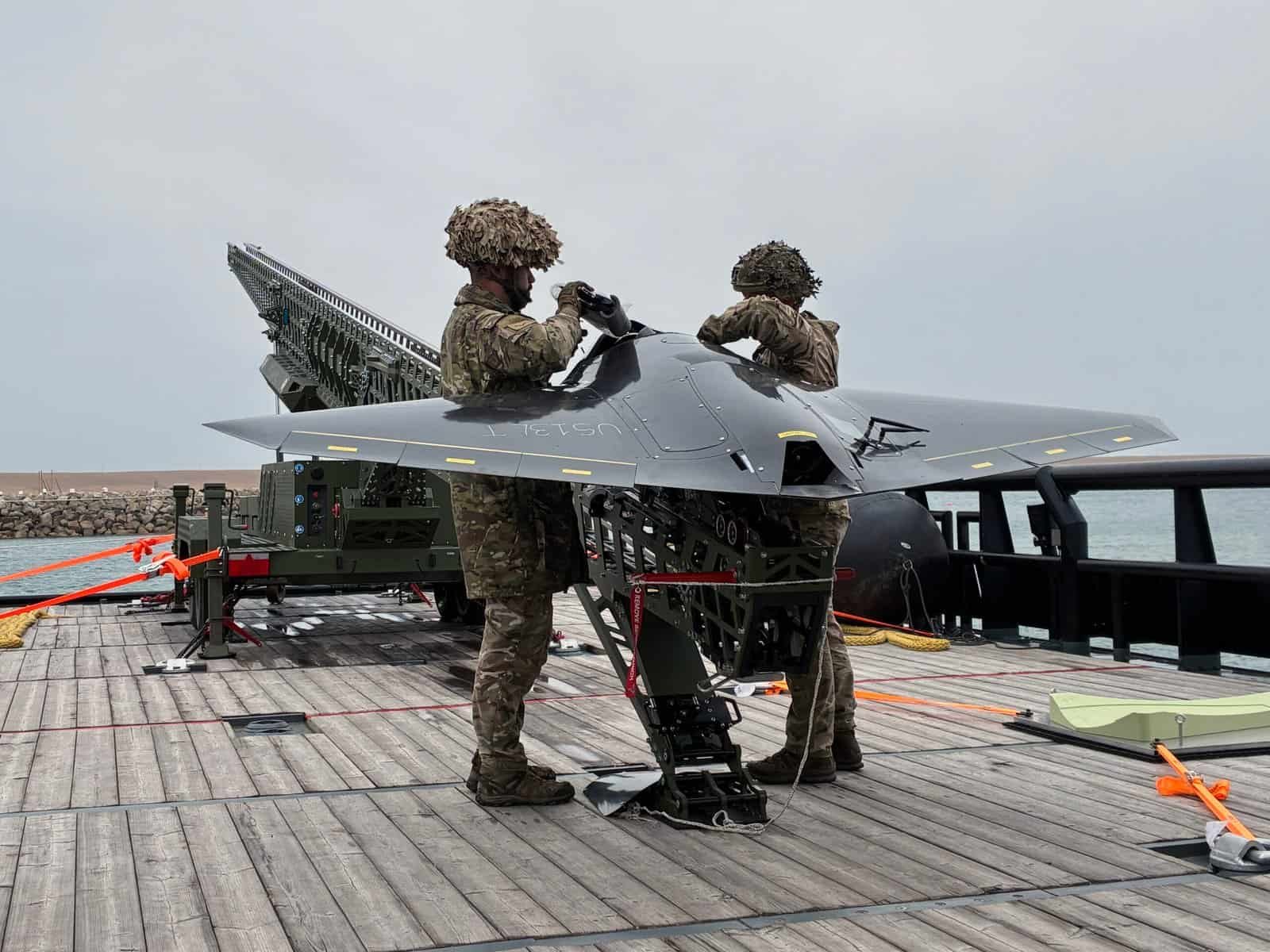
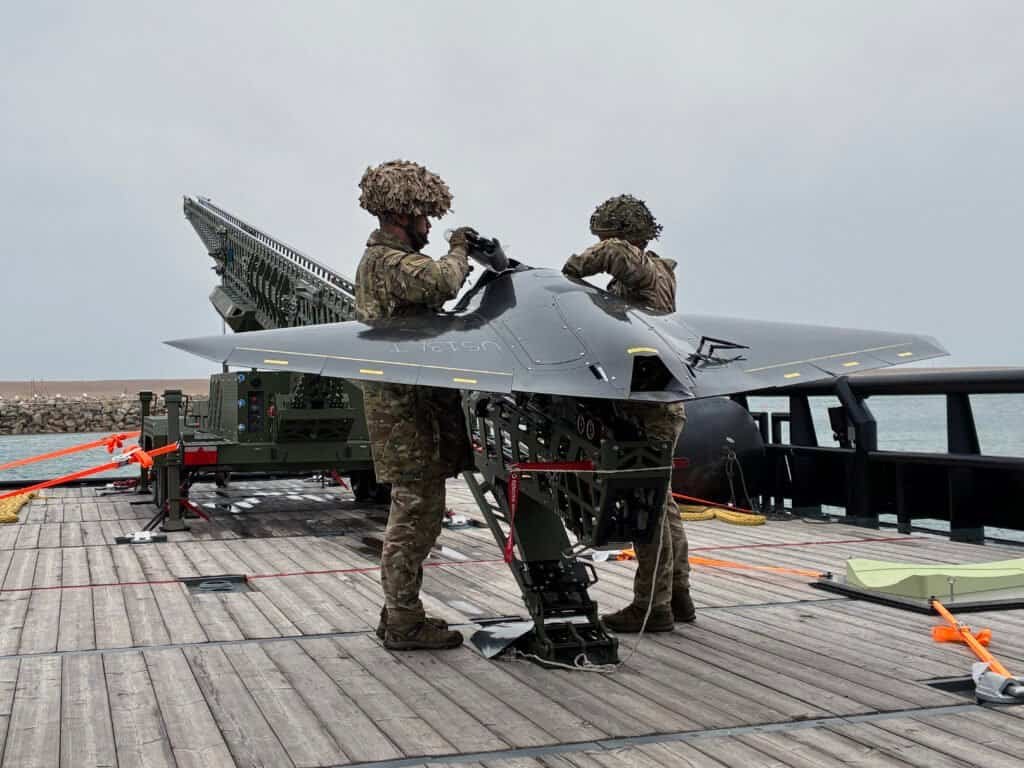
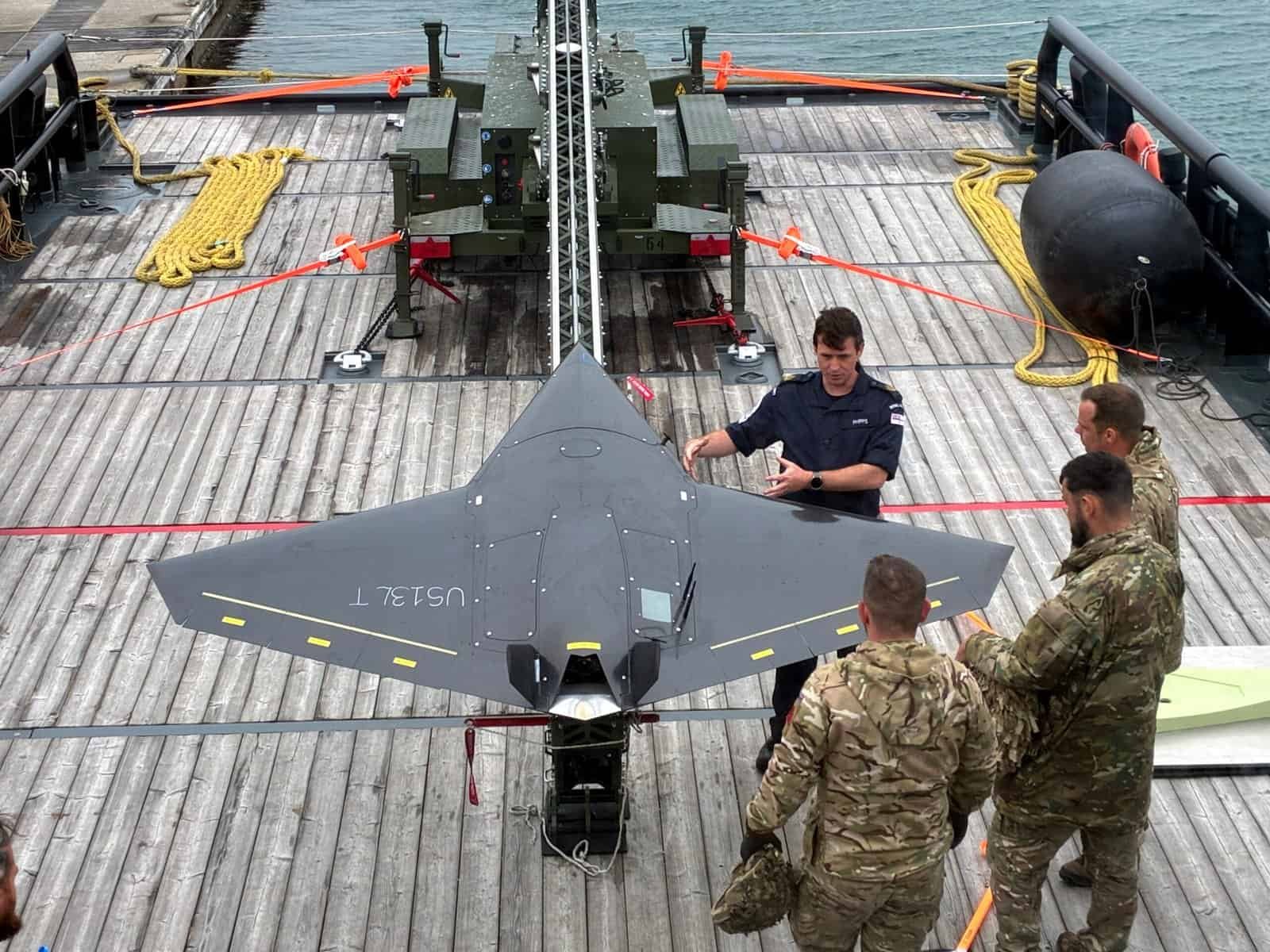
It isn’t just small first-person-view drones making headlines. The Royal Navy recently launched a strike-capable drone from a ship at sea for the first time, testing how a kamikaze-style unmanned system that had already proven itself in land combat could be integrated into naval operations. This trial is part of a much larger shift: the UK has committed more than $6.6 billion toward putting uncrewed systems at the heart of its armed forces, restructuring its navy, army, and air force around autonomous and drone-based capabilities.
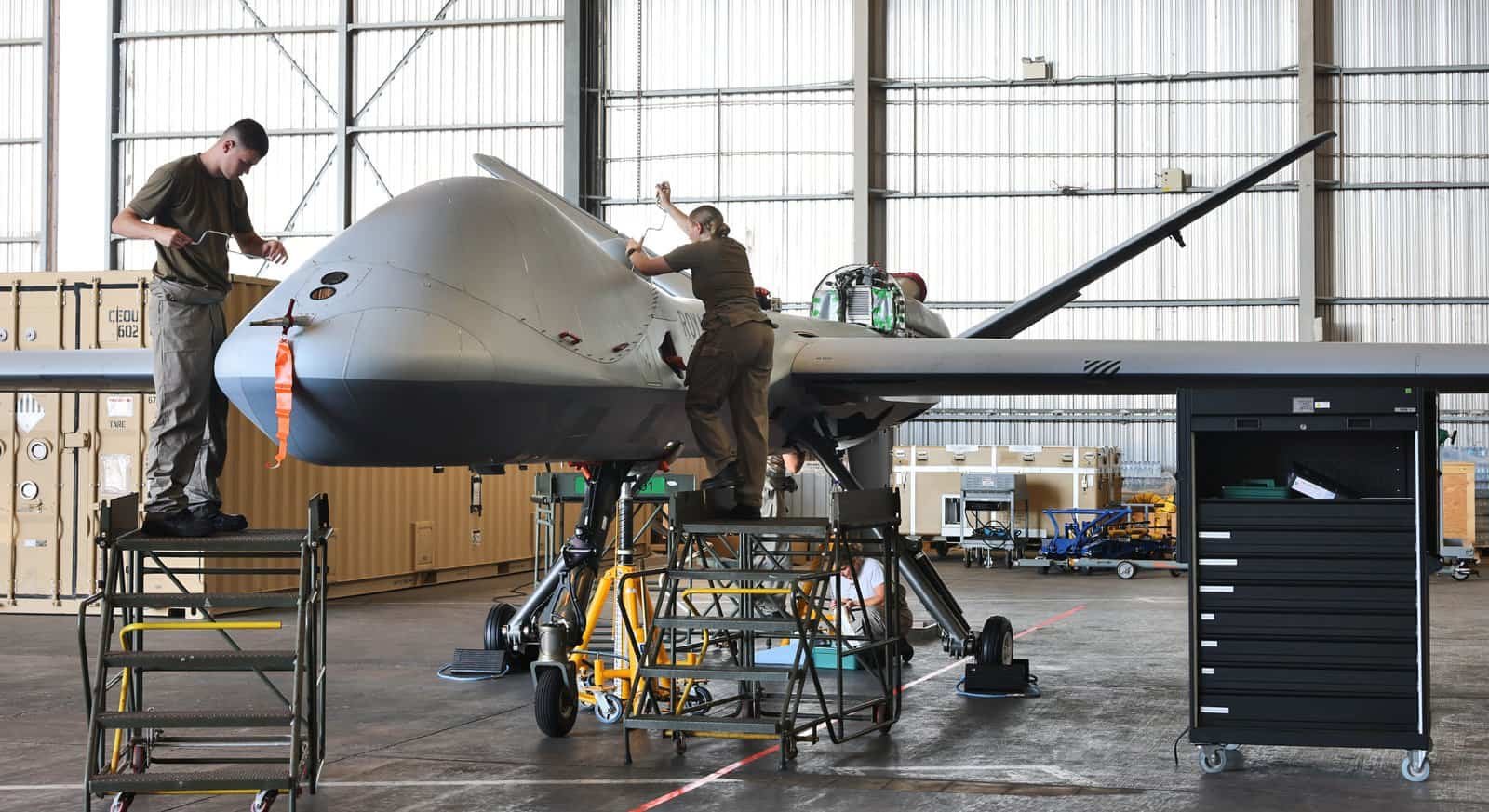
The U.S. military is moving in a similar direction. A newly formed Army unit is explicitly designed to overwhelm adversaries with drones in a potential Pacific conflict. Meanwhile, established uncrewed aircraft continue proving their staying power — a small fleet of MQ-1 Predator drones is still quietly flying specialized test and support missions for the Navy years after the type was widely assumed retired from frontline service.
Why This Matters Beyond the Battlefield
It’s tempting to think military drone news is disconnected from the drones people fly for fun or fieldwork, but the two worlds influence each other constantly. Sensors, battery technology, autonomy software, and manufacturing techniques developed for defense applications tend to trickle down into consumer and commercial products within a few years. The same obsession with lighter frames, longer flight times, and smarter navigation that drives defense programs is exactly what improves the drones depicted in Avier’s designs.
There’s also a broader lesson in how quickly perception has shifted. Drones went from a curiosity to indispensable infrastructure in less than a generation — for militaries, for logistics companies, for filmmakers, and for farmers monitoring crops. Whatever your reason for flying, you’re part of the same technological wave that’s currently rewriting military doctrine around the world.
The Takeaway
Unmanned systems aren’t a passing trend — they’re becoming the default way many tasks get done, from reconnaissance over a contested air base to inspecting a rooftop or capturing aerial video. Keeping an eye on how drone technology evolves in high-stakes environments like defense is a good way to understand where the consumer and commercial drone market is headed next. If recent history is any guide, drones will only become more capable, more autonomous, and more woven into daily life.
Source reporting referenced from TWZ